Pairing food and wine can offer many unexpected surprises. At an online tasting of Washington wines and burgers, classic pairings with Cabernet and a GSM blend worked as well as expected, but rosé and burgers? Yes!

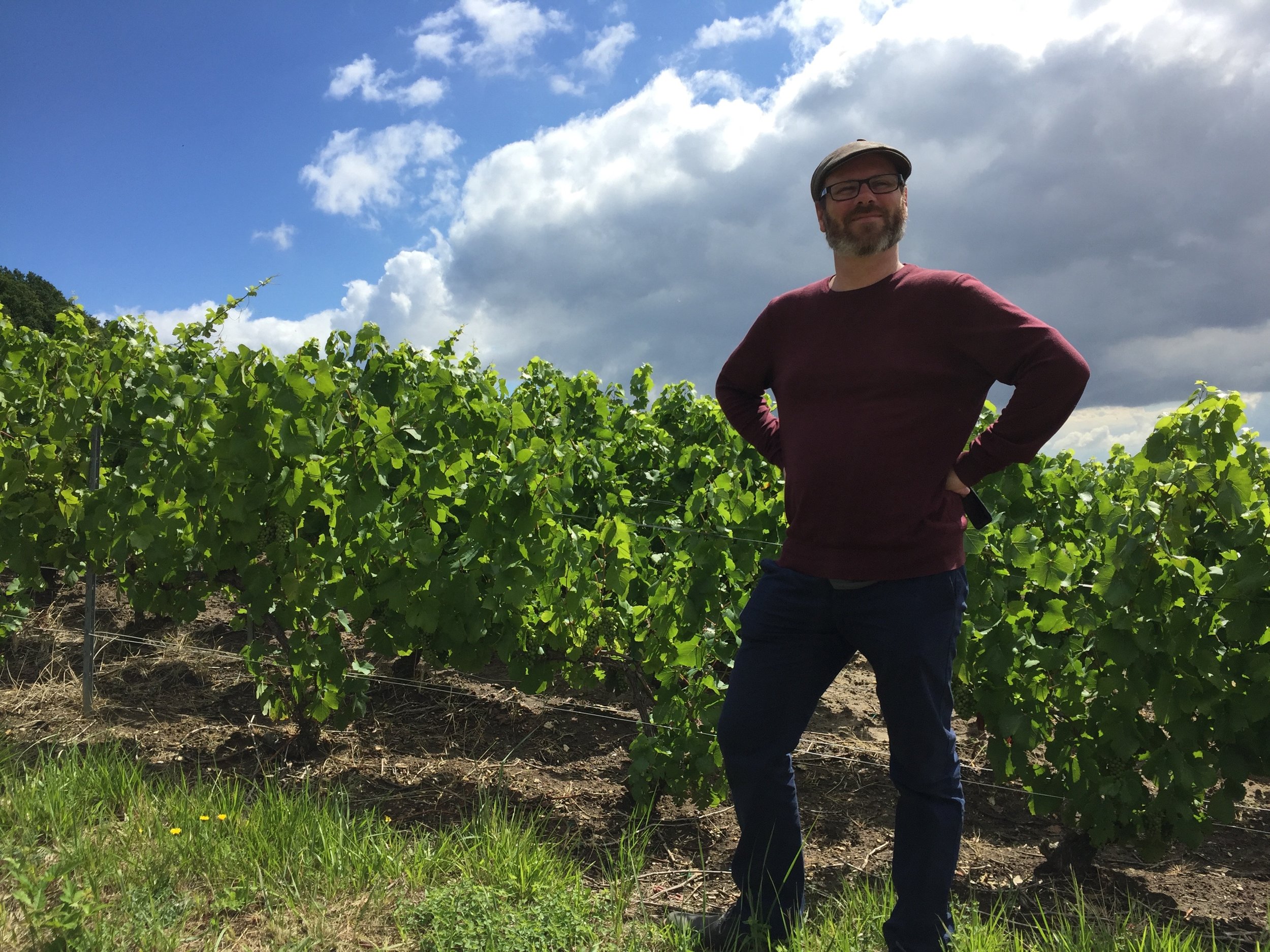
This blog began as a record of taking the WSET Diploma, during which I studied and explored wines and spirits made all around the world. Having passed the Diploma and become a WSET Certified Educator, the blog has become much more: a continual outlet for my passion for the culture of wine, spirits, and beer.
I aim to educate in an informal, enlightening, and engaging manner. As well as maintaining this blog to track my latest enthusiasms, I provide educational tastings for restaurants and for private groups. Details can be found on the website, and collaborations are welcome.
Wine is my primary interest and area of expertise and this blog aims to immerse the reader in the history of wine, to understand why wine tastes like it does, and to explore all the latest news. At the same time, beer and spirits will never be ignored.
For the drinker, whether casual or professional, today is a good time to be alive.
Pairing food and wine can offer many unexpected surprises. At an online tasting of Washington wines and burgers, classic pairings with Cabernet and a GSM blend worked as well as expected, but rosé and burgers? Yes!
Sta. Rita Hills is an AVA in Santa Barbara County producing increasingly impressive wines, most notably from Chardonnay and Pinot Noir but also from Syrah. For my first wine tasting trip in months, I visited the region to see exactly what’s going on and came back extremely enamoured with the wines and the direction in which the region is heading.
Cahors is the traditional heartlaand of Malbec, and is the only appellation in France dedicated to the variety. Due to the success of Malbec in Argentina, there’s a renewed sense of purpose in Cahors with an astonishing range of styles made from just the one variety but from many different soil types and aspects. After meeting a number of producers, I came away with the impression of a dynamic, ever-changing region.
Vin Doux Naturel is one of the great, historic styles of fortified wine, made all over the south of France. It’s not a fashionable or well-known style, but it’s been made for centuries and is full of history. There is an incredible range of wines made, from fresh and fruity to oxidative and mature, making it extraordinarily versatile. I got to taste the wines of several producers—including a wine from 1895, which made the 1959 look young…
Rioja is one of Spain’s most historic regions, steeped in tradition. But a recent visit showed that Rioja is slowly changing, as producers place greater emphasis on expressing terroir. There’s plenty of debate on how best to do this—Rioja is a more contradictory and dynamic region that its reputation perhaps suggests.
Sherry is one of my favourite of all wines, and I finally had the chance to visit recently. Tastings at various producers provided lots of insights into trends in sherry production and consumption, as well as the opportunity to explore the many different styles of sherry first-hand.
A visit to the Basque country involved eating lots of pintxos with txakoli in San Sebastián and Bilbao. To complete the experience, I visited Ameztoi, the second largest producer of the light-bodied, low-alchol, highly acidic white wine. Stunningly located on the Atlantic coast, Ameztoi also make rosé, red, and sparkling and are a great introduction to a region that’s both historic and very new.
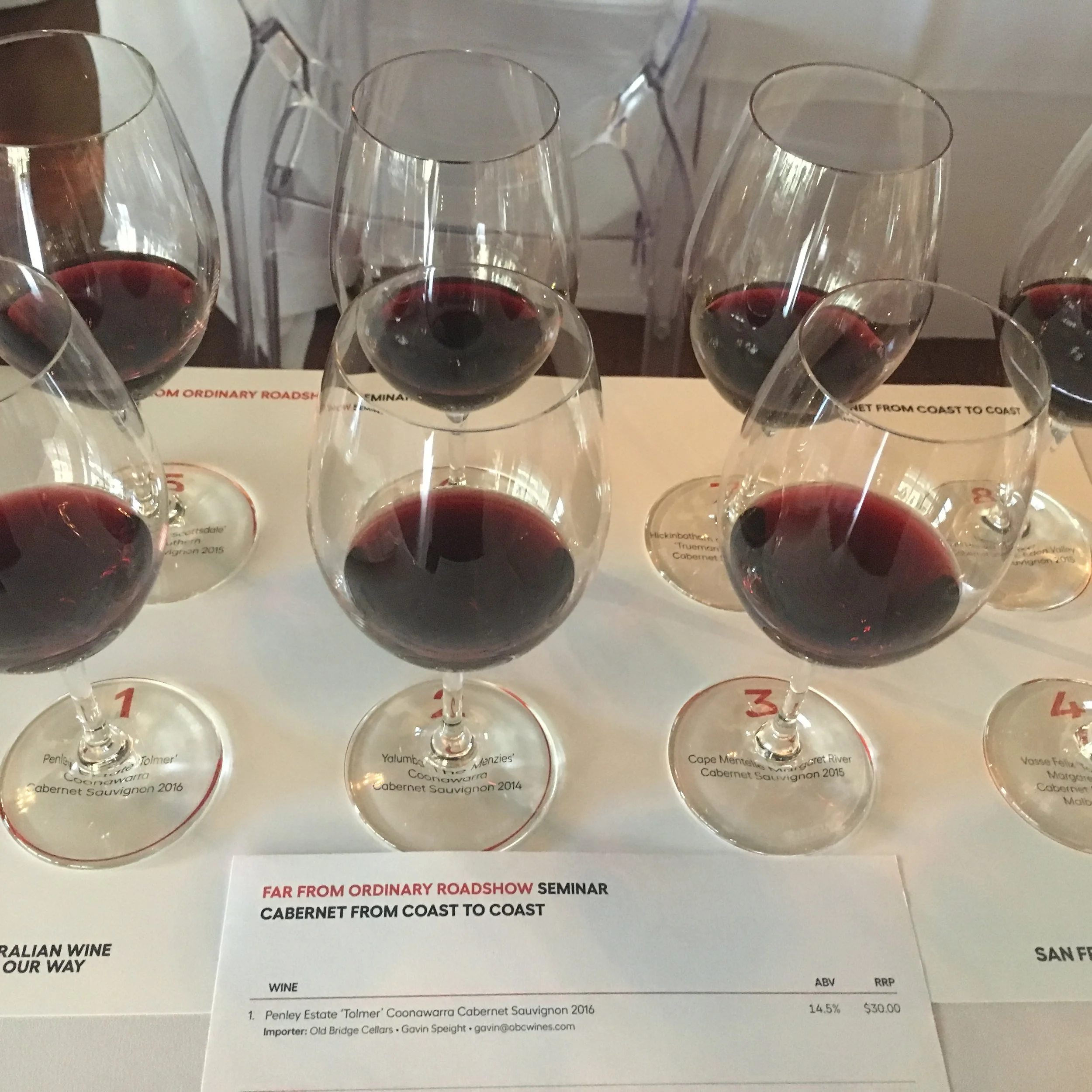
Australia is most strongly associated with Shiraz, but there’s plenty of Cabernet Sauvignon too. I attended a tasting of Aussie Cab from four different regions—Margaret River, Coonawarra, McLaren Vale, and Eden Valley—which highlighted the quality Cabernet being made across the country as well as the diversity of climate, soil types, and wines.
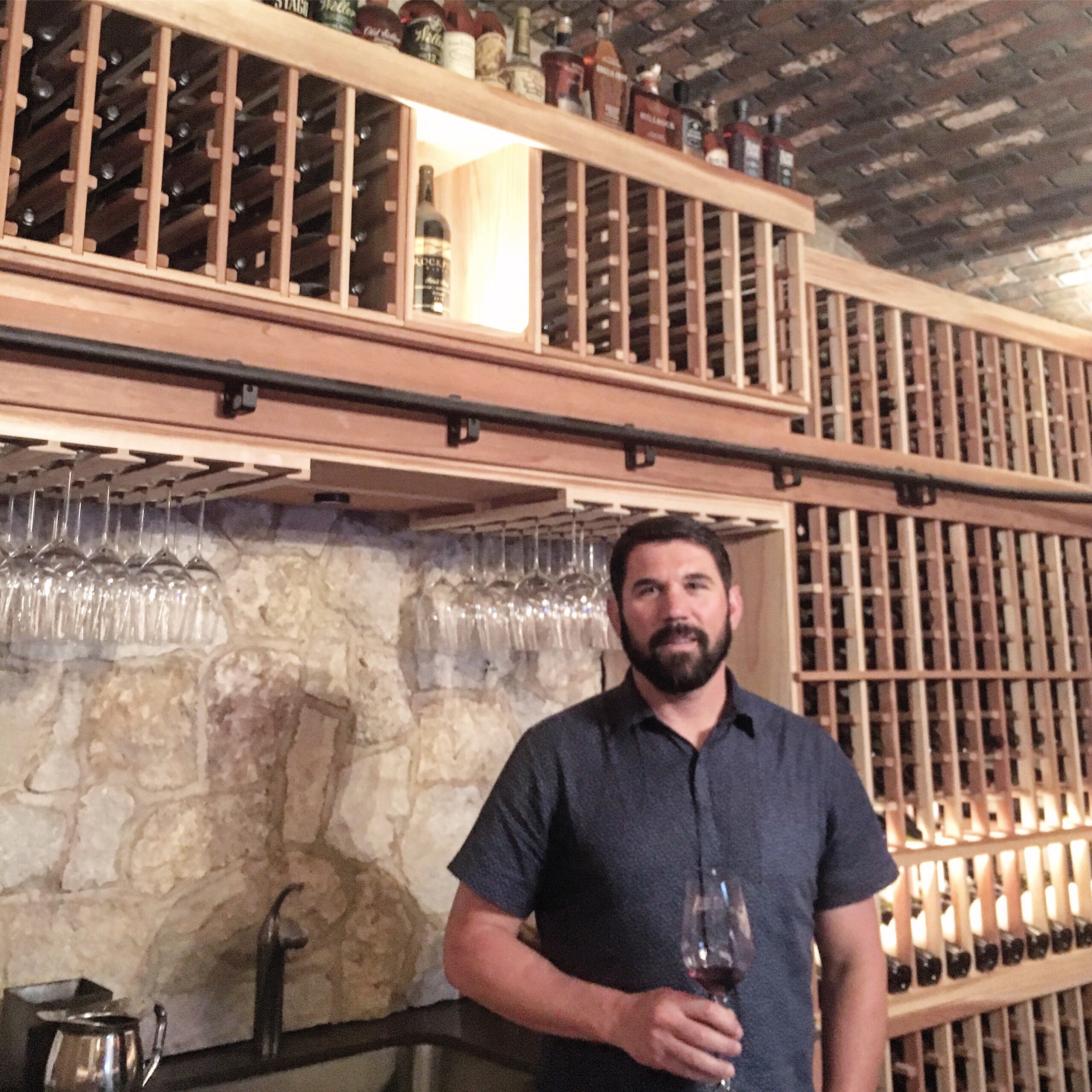
Clay Mauritson’s family have been in California’s Dry Creek Valley for 150 years and their history parallels that of the California wine industry. Clay makes wine from the small Rockpile AVA which is heavily influenced by Lake Sonoma, the creation of which devastated the Mauritson family’s way of living fifty years ago. Without Lake Sonoma, not only would Clay’s wine taste completely differently, they might not exist at all…
A recent visit to Lodi challenged its reputation as a hot region only capable of making big, full-bodied, inexpensive reds. With the price of land rising elsewhere and climate change affecting growing conditions, Lodi’s Mediterranean grape varieties may play a strong part in California’s future.
The highlight of a recent trip to Austria was visiting the regions of Wachay, Kremstal, and Kamptal. They’re mostly planted to Grüner Veltliner and Riesling, two varieties with very different needs yet which both thrive next to each other. Read more to find out why, and why quality is so generally high.
How do soils affect the taste of wine? And can we taste soil in wine? Just a couple of questions that my review of geologist Alex Maltman’s book explores.
Winemaking in Rioja has traditionally been all about blending, bringing different sub-regions and grape varieties together to create a reflection of the region as a whole. I recently met a producer who has a very different attitude, refusing to use the Rioja designation on their labels and making single-vineyard wines. Should other Spanish producers follow suit and make wines that are more individual expressions rather than regional blends?
It can be difficult to find good Bordeaux that’s also affordable. Cru Bourgeois is a category which offers approachable, good-value Cabernet Sauvignon based wines. Read more to find out about these alternatives to expensive Left Bank wines.
Douro Valley is the heartland of port, the great fortified wine. It’s spectacularly beautiful, with steep, rocky terraces covered in vines. Visiting the region was a long-held ambition of mine, and it did not disappoint.
The latest in my series of podcast episodes on spirits: Vodka is the most widely drunk spirit globally, popular because of its clean, neutral taste. The spirit goes back centuries, changing due to fashion and technology. This episode focuses on how vodka is made and how to make sense of a drink that is so deliberately flavourless.
The cork industry has suffered in the last twenty-five years due to the number of “corked” wines. On a recent trip to Portugal, I learnt how producers are working very hard to redeem the image of the industry.
Blind tasting is fun, challenging, and humbling - as well as necessary for WSET Level 3 and 4 exams. Find out what students taking the Diploma made of tasting four blind sparkling wines.
Meursault is a village in the heart of Côte de Beaune famous for producing rich, opulent wines. But things are changing as I found out at a tasting - the wines now are designed to be more expressive of the part of the village they come from.
Cava is known for being simple and inexpensive, but producers are finally beginning to think about making more expressive, structured wines. I learnt about the new Paraje designation, created with the aim of improving the quality and reputation of cava.