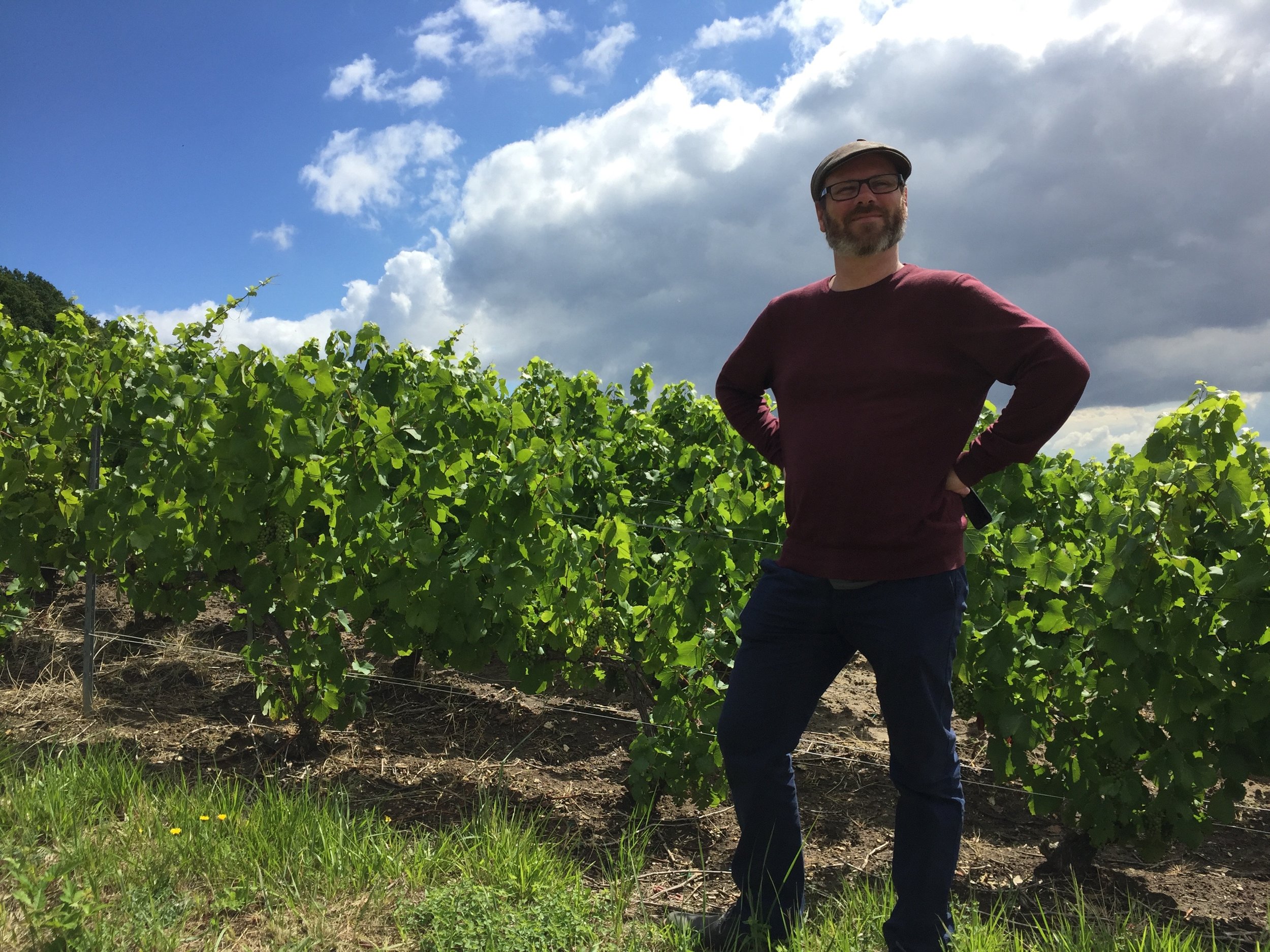
Columbia Gorge, Washington

Columbia Gorge: an AVA which is in both Washington and Oregon with a little bit of the character of both: wet in the winter, hot in the summer. It’s beautiful, with some kooky winemakers who have been experimenting with different grape varieties and winemaking practices since the 1990s with outstanding Grüner Veltliner and Gamay among the results. One of the most distinctive, unusual, and exciting regions on the US West Coast.

McLaren Vale

McLaren Vale lies south of Adelaide, a region revitalised since the 1990s. An old, historic area, there are numerous soil types, varied climatic influences, old vines, and new plantings of Italian varieties: visiting McLaren Vale is an insight into its past and its future.

Adelaide Hills

Adelaide Hills has emerged in the last thirty years as a cool-climate region producing outstanding Chardonnay, Pinot Noir, and Riesling. It’s just outside Adelaide, but is completely different from nearby warmer regions such as Barossa Valley and McLaren Vale. It’s also, despite its proximity to Adelaide, quite a remote, rural region: a trip to Australia’s agricultural heartland.

Tasmania

Tasmania is a now fashionable island off the south coast of Australia, becoming increasingly known for its high-quality sparkling wine—but there’s also Chardonnay, Pinot Noir, Riesling, and some amazing whisky. The perfect place to visit!

Amanda Barnes on South America's Wines

South America: a bewildering, vast continent where wine has been made for hundreds of years. The size of the continent makes it a difficult concept to fully understand, but Amanda Barnes has published the best, most comprehensive book on South America’s wines. It’s a must-have book: here’s why.

Abruzzo

I went to a tasting of Abruzzo wines to see if Montepulciano d’Abruzzo can convince: I came away much more excited by the whites from Pecorino, Trebbiano d’Abruzzo, and a variety I’d never heard of before, Cococciola.

rancio/rancí

Rancio is an extreme style of wine made in Mediterranean France and Spain, and a strong part of Catalan culture and history. It may not be the most popular style, but it’s fascinating and there is still some amazing examples being made as I discovered on my recent trip.

Catalan White Wines

Catalunya may be more known for its red wines, but there’s plenty of great white wine made too from an array of varieties such as Garnatxa Blanca, Macabeo, Pedro Ximinez, and Malvasia. Should we be drinking these wines when we can’t afford white Burgundy?

Priorat & Montsant

Priorat is one the most rugged, beautiful wine regions. I recently visited, and learnt all about the soils, slopes, and grape varieties—and heard lots of different opinions about how best to make wine in the region. Surrounding Priorat is Montsant, an unsung region that may become better known in the near future.

Languedoc

Languedoc: a vast region that’s difficult to wrap one’s head around. But a brief trip to Pic-St-Loup and St-Chinian gave an insight into the high-quality potential that small producers are capable of fulfilling.

England

Over the last 30 years, English sparkling wine has developed from nothing to being one of the most exciting categories around. I got to visit English wine country for the first time: quality is high and English bubbles are not going away.

The White Wines of the Rhône

The Rhône is best known for its red wines, but there’s a fair amount of white wine made too, varying in style and price point: rich and aromatic to fresh and easy-drinking. That diversity makes white Rhône well worth exploring.

Silvaner/Sylvaner

Silvaner is an historic white variety found in Germany and Alsace. Plantings declined in the twentieth century, but quality producers are working with the grape again and producing interesting alternatives to Riesling. Here’s a quick guide to Silvaner!

Terroir and Sparkling Wine

“Can we talk about terroir in the context of sparkling wine?” For those who want to dismiss the concept of terroir, sparkling wine is a convenient weapon because production method is so important. But the quality and style of sparkling wine changes from region to region and within regions. Why? Because of terroir.

Cava: Back to the Future?

Cava is sparkling wine from Spain made in the traditional method. It’s too often simple, inexpensive, and lacking identity. However, things are changing, with more of an emphasis on regionality, vineyard location, and grape varieties. Here’s an overview of why we should be more excited about the future of cava.

Revisiting Beaujolais

Has Beaujolais finally shrugged off its Nouveau image? The wines are now considered as serious and distinctive, with their own identity. So it’s time to revisit the region and consider what makes Beaujolais so unique.

Reimagining Food Pairings

Pairing food and wine can offer many unexpected surprises. At an online tasting of Washington wines and burgers, classic pairings with Cabernet and a GSM blend worked as well as expected, but rosé and burgers? Yes!

Sta. Rita Hills

Sta. Rita Hills is an AVA in Santa Barbara County producing increasingly impressive wines, most notably from Chardonnay and Pinot Noir but also from Syrah. For my first wine tasting trip in months, I visited the region to see exactly what’s going on and came back extremely enamoured with the wines and the direction in which the region is heading.